← All services

Industrial CT Scanning Service in China

Non-destructive 3D X-ray inspection of internal structure, defects and dimensions.

Professional Industrial Computed Tomography (CT) scanning for die-cast, molded, electronic, battery, aerospace and medical components — internal porosity, voids, assembly verification, wall-thickness and dimensional analysis without destroying the part.

Industrial CT Scanning
Service Overview

What this service covers

Industrial CT scanning is one of the most powerful non-destructive testing (NDT) techniques available to manufacturers today. By rotating a component through a cone of high-energy X-rays and reconstructing thousands of 2D projections into a full volumetric model, an industrial CT scanner reveals the complete internal structure of a part — every void, crack, inclusion, joint and hidden feature — without cutting, polishing or destroying the sample.

Our Industrial CT Scanning Service in China gives international engineering teams direct access to high-resolution micro-CT and macro-CT systems operated in temperature-controlled, ISO-aligned NDT laboratories. From a single failed sample requiring root-cause analysis, to a structured PPAP-grade qualification of a die-cast or injection-molded product family, we plan the scan, execute it under engineer supervision, perform the analysis in VGSTUDIO MAX (Volume Graphics) and deliver a bilingual report your customers and auditors will accept.

Because Industrial CT is non-destructive, the same sample can be measured dimensionally, screened for porosity and verified for assembly correctness in a single workflow — replacing what would otherwise require destructive metallography, X-ray, blue-light scanning and CMM in sequence. For high-mix prototyping and failure investigation, this is often the fastest, lowest-risk and most defensible inspection method available.

We support voltages from 90 kV (electronic and polymer parts) up to 450 kV (dense aluminum and steel die castings up to ~250 mm), with voxel resolutions from sub-5 µm on micro-CT systems down to 75–150 µm on large-envelope macro-CT for full housings and assemblies. Scan strategy — voltage, current, exposure, voxel size, filter, helical vs. circular — is engineered for your specific part rather than run on a fixed recipe.
Typical Applications

Where this service is used

  • Aluminum, magnesium and zinc die-casting porosity analysis
  • Plastic injection-molded part internal void and weld-line inspection
  • Electronic component and PCB BGA solder-joint verification
  • Lithium-ion battery cell, module and pack internal inspection
  • Aerospace casting and additive-manufactured part qualification
  • Medical device internal feature and assembly verification
  • Failure analysis and root-cause investigation
  • Reverse engineering of complex internal geometry
  • First Article Inspection of complex assemblies
Inspection Equipment

Equipment in our network

Industrial CT Systems (225 kV / 300 kV / 450 kV)
High-Resolution Micro-CT (sub-5 µm voxel)
Large-Envelope Macro-CT for full assemblies
2D X-Ray Real-Time Radiography Systems
VGSTUDIO MAX / Volume Graphics analysis workstations
Inspection Scope

What we measure & report

  • Internal defect analysis: porosity, shrinkage, cracks, inclusions
  • Porosity quantification by volume %, size and distribution
  • Wall-thickness analysis with color deviation maps
  • Internal dimensional inspection and GD&T verification
  • Hidden feature measurement (blind holes, internal threads, ribs)
  • Assembly verification (alignment, gaps, mating fit)
  • STL mesh export for reverse engineering and CAD reconstruction
  • Digital twin / archived 3D record of the part
  • Failure analysis and root-cause investigation support
Industries Served

Where our customers operate

Die-cast ManufacturingInjection MoldingElectronics & PCBEV BatteriesAerospaceMedical DevicesAdditive Manufacturing
Why This Service

Customer benefits

  • 100% non-destructive — sample can be returned intact
  • Complete internal visibility no other technique can match
  • Faster failure analysis: hours instead of days of cross-sectioning
  • Reduced development time during DFM and tooling validation
  • Higher product quality through statistically quantified porosity
  • Accurate 3D visualization for engineering, sales and litigation
Laboratory & Field Photos

Equipment, reports and on-site work

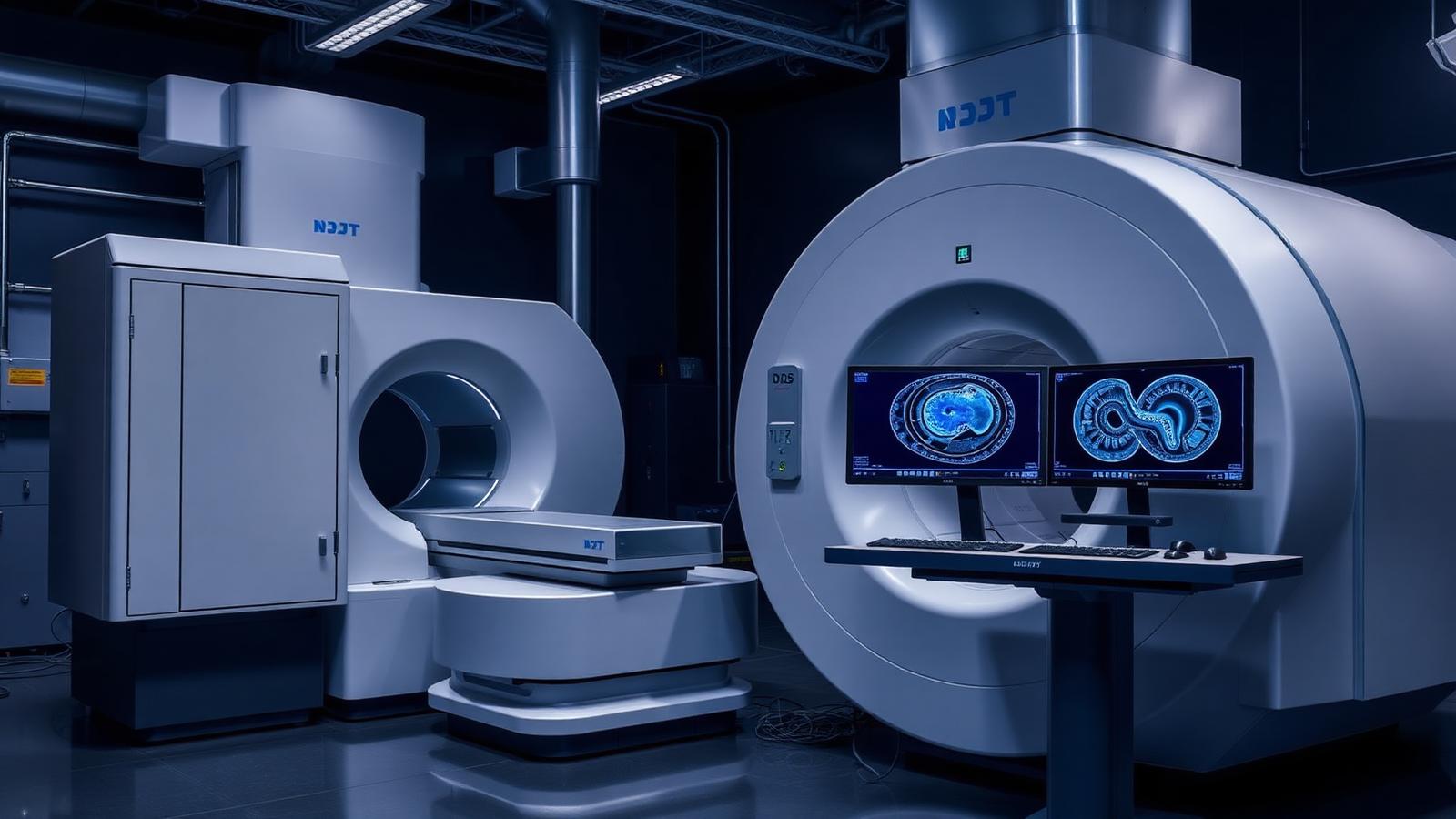
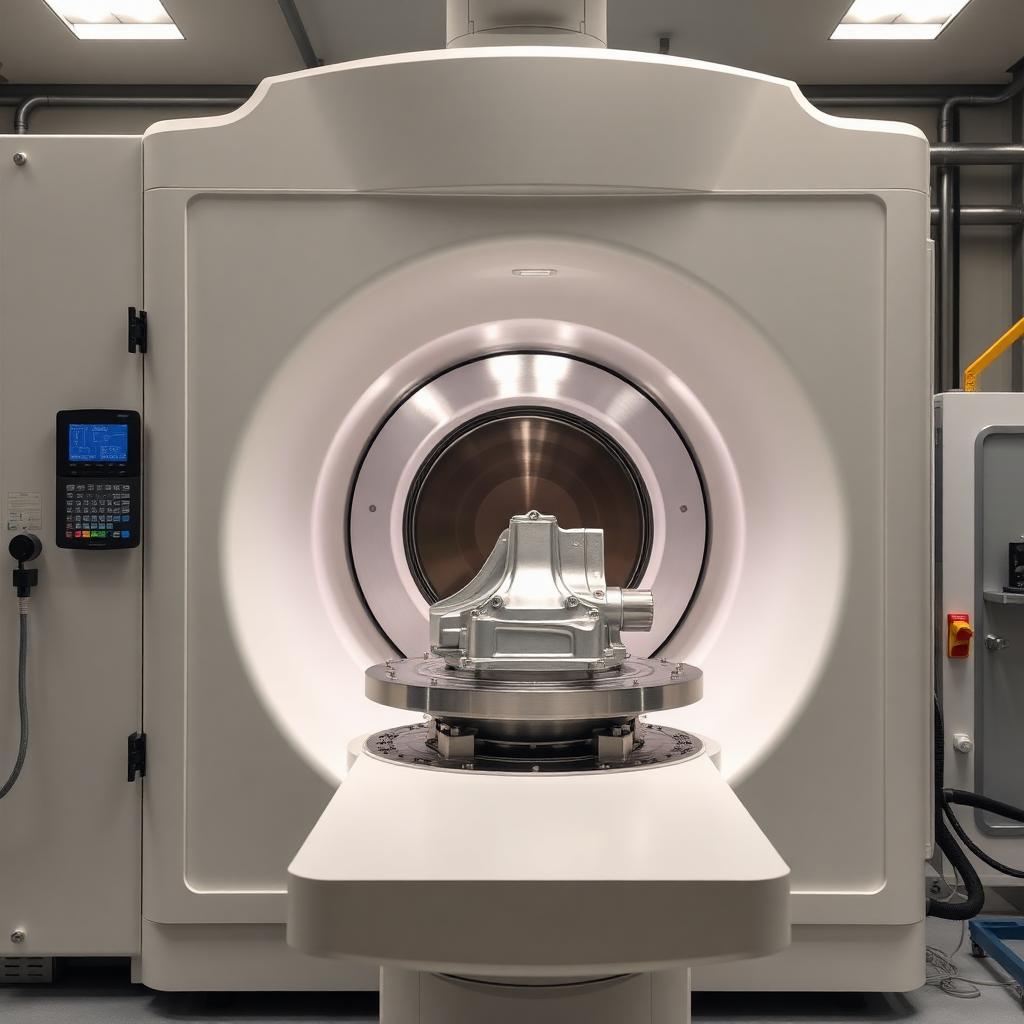
Industrial CT system with die-cast part loaded
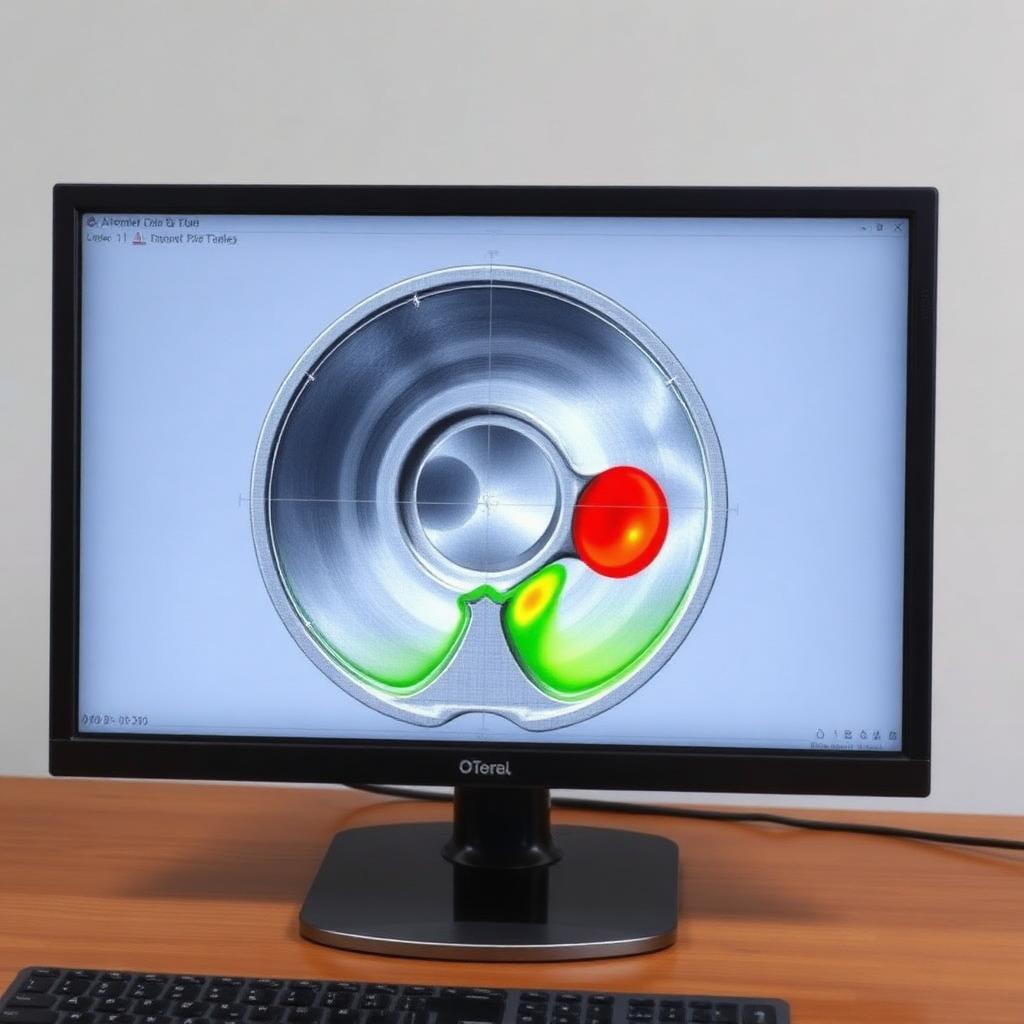
CT cross-section showing internal porosity
3D volume reconstruction with defect highlights
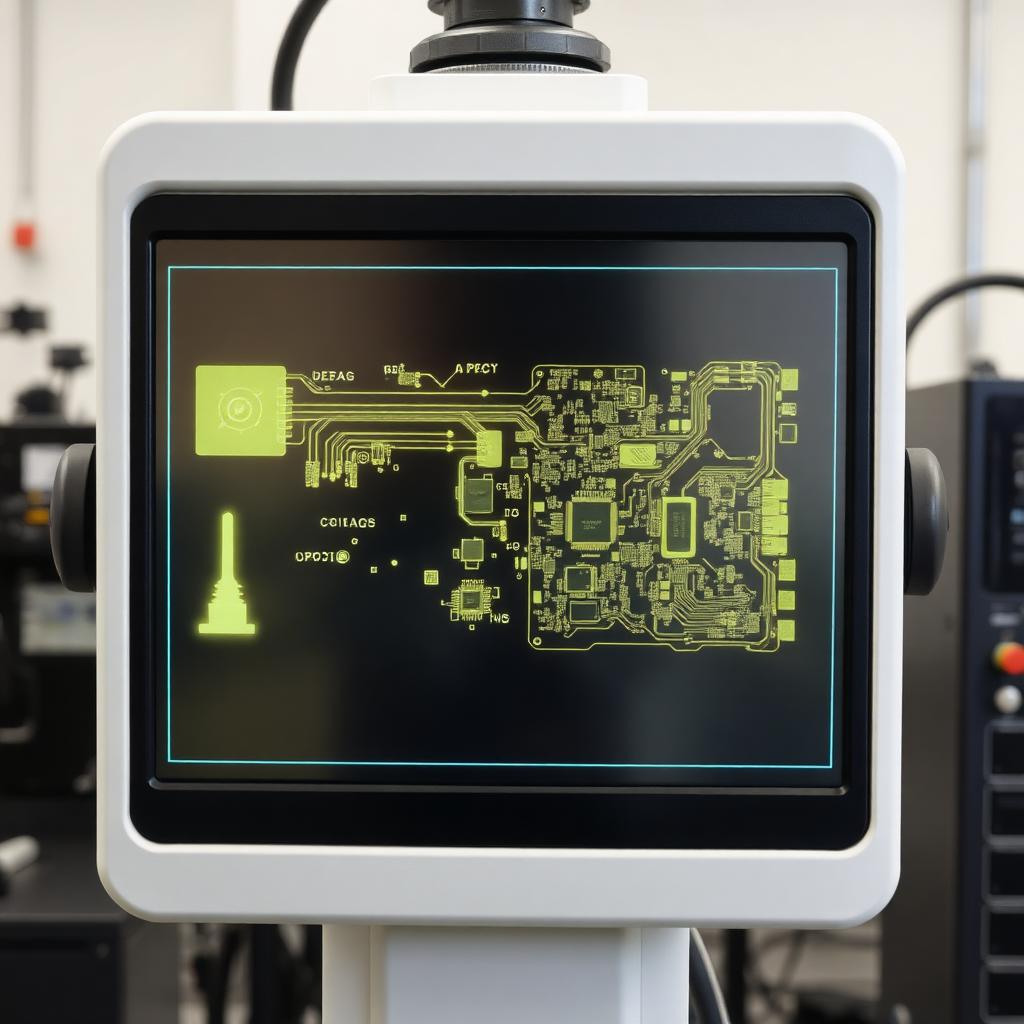
Real-time 2D X-ray of an electronic assembly
Real Project Case Studies

How we've solved real customer problems

Customer names redacted under NDA. Project descriptions reflect the engineering work actually performed.

Aluminum Die-Casting Porosity Inspection
Automotive Powertrain

Aluminum Die-Casting Porosity Inspection

Challenge
Pressure-tight aluminum housing failing helium leak test at 0.3% reject rate; supplier blamed machining, OEM suspected casting porosity.
Approach
CT scan of 10 failed and 10 good samples at 75 µm voxel, full porosity quantification in VGSTUDIO MAX.
Outcome
Identified a clustered porosity defect on the gating side, traceable to die cooling. Supplier modified the die — leak rejects dropped to <0.02%.
Plastic Injection Part Internal Defect Analysis
Consumer Electronics

Plastic Injection Part Internal Defect Analysis

Challenge
Glass-fiber-filled PA66 connector body intermittently snapping at the latching feature; no surface defects visible.
Approach
Micro-CT at 8 µm voxel revealed weld-line knit failure and fiber orientation disruption at the failure plane.
Outcome
Recommended gate relocation; redesigned tool eliminated field failures in next production run.
Industrial Automation

Electronic Connector Assembly Verification

Challenge
High-pin-count connector assembly showed intermittent open circuits; tear-down was destructive and inconclusive.
Approach
CT scan of complete assembly to verify pin insertion depth, alignment and housing engagement on 30 samples.
Outcome
Found 4 samples with one pin 0.4 mm under-inserted — traced to a press-fit fixture wear issue. Fixture replaced; defect eliminated.
EV / Energy Storage

Battery Component CT Inspection

Challenge
Pouch-cell battery customer required internal inspection of electrode alignment and tab-weld quality without cell teardown.
Approach
Macro-CT scan of full pouch cell, 100 µm voxel, with electrode-stack alignment and weld-nugget integrity report.
Outcome
Quantified electrode misalignment within spec; tab welds confirmed defect-free. Customer released the batch for production.
Medical Devices

Medical Device Internal Structure Verification

Challenge
Class-II implant manufacturer needed PPAP-grade evidence that internal lattice structure matched the design CAD.
Approach
Micro-CT at 15 µm voxel, full STL extraction, nominal-actual comparison against design CAD, lattice strut diameter statistics.
Outcome
Verified 100% lattice conformance with documented deviation map; report accepted by notified body audit.
Frequently Asked Questions

Industrial CT Scanning — what customers ask

What is the maximum part size you can CT scan?+

Macro-CT systems in our network accept parts up to approximately 600 × 600 × 800 mm, weighing up to 50 kg. For very large assemblies we can scan in sections and stitch the volumes digitally.

What materials and densities can be penetrated?+

We routinely scan polymers, composites, aluminum, magnesium, zinc, brass and steel up to ~150 mm wall thickness on 450 kV systems. Very dense tungsten or thick steel above 200 mm may require alternative NDT — we'll advise during scoping.

Is CT scanning truly non-destructive?+

Yes. The X-ray dose used in industrial CT does not measurably affect mechanical or electrical properties of metals, polymers or most electronics. Samples are returned intact and can continue through normal production or further testing.

Can you measure dimensions from a CT scan?+

Yes — dimensional CT metrology is one of the fastest-growing applications. With careful calibration and traceable phantoms we deliver internal dimensions, GD&T evaluation and wall-thickness with uncertainty stated in the report.

How fast can you scan and report?+

A typical single-part scan, analysis and bilingual report is delivered in 3–5 working days. Urgent failure-analysis scans can be turned around in 48 hours when the lab is reserved in advance.

Do you handle export-controlled or sensitive samples?+

Yes. All samples are handled under NDA with locked storage, restricted-access scanning rooms and a chain-of-custody log. CT data files are encrypted in transit and stored in segregated project folders.

What file formats do you deliver?+

Standard deliverables include the bilingual PDF report, raw 16-bit voxel volume (VGI/VGL or DICONDE), reconstructed STL mesh and analysis project files. We can match customer-specific delivery formats on request.

Ready to start?

Request a quote for industrial ct scanning today.

Tell us about your part — we respond within one business day with scope, methodology and quotation. NDA available before disclosure.