← All services

Defect Inspection Services in China

Detect surface and internal defects with AOI, AI vision and X-ray.

Independent defect inspection covering surface flaws (scratches, burrs, cracks, dents, contamination, color variation) and internal flaws (porosity, shrinkage, cracks, inclusions) using AOI, AI vision systems and X-ray.

Defect Inspection
Service Overview

What this service covers

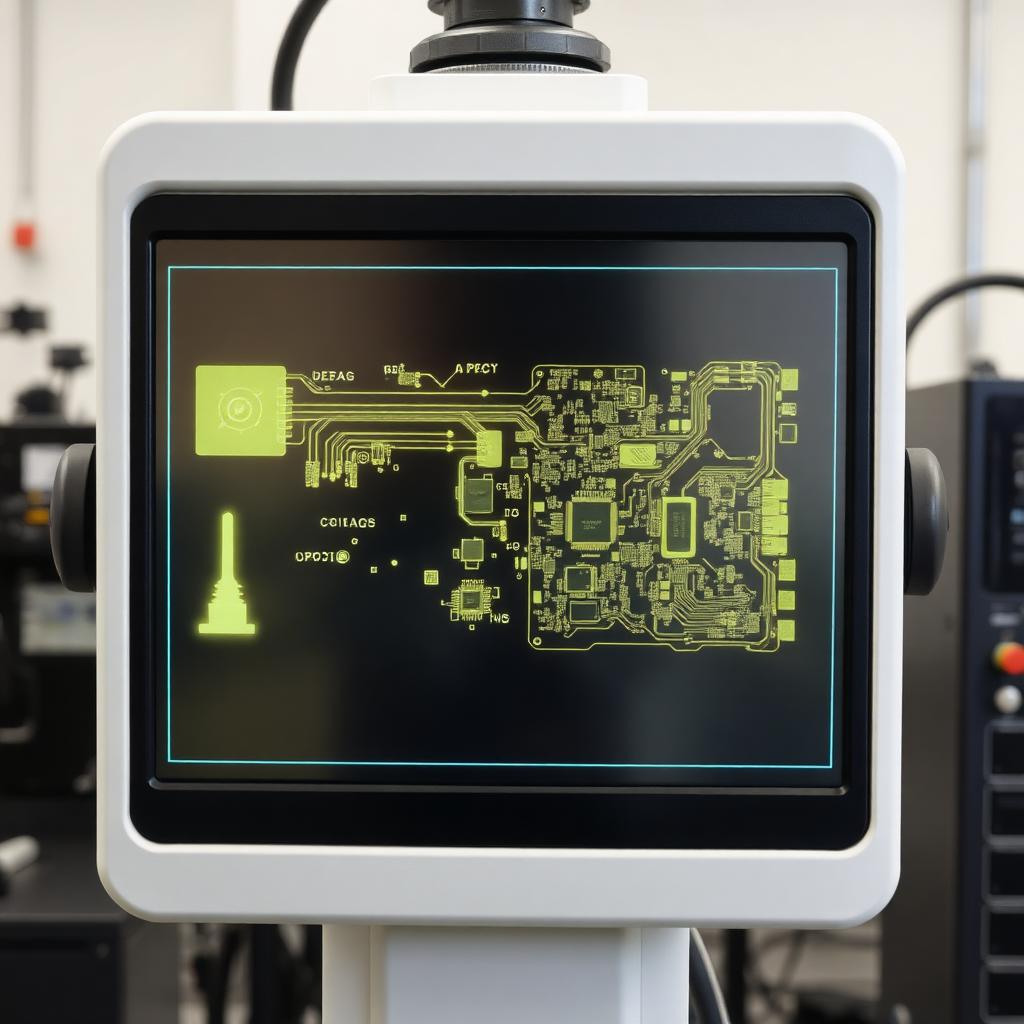
Defect inspection separates good product from bad before it reaches your customer. Our independent defect inspection service in China combines automated optical inspection (AOI), AI-based machine vision, 2D X-ray radiography and — when internal visibility is required — industrial CT, to detect, classify and quantify defects on parts produced by your Chinese suppliers.

Unlike a supplier's own QC, our inspection is documented with calibrated equipment, statistically valid sampling plans (AQL per ISO 2859-1 or customer plan), photographic evidence per defect and a clear conformance verdict. The report is structured so it can be used directly in shipment-hold decisions, claim negotiations, or as PPAP evidence.

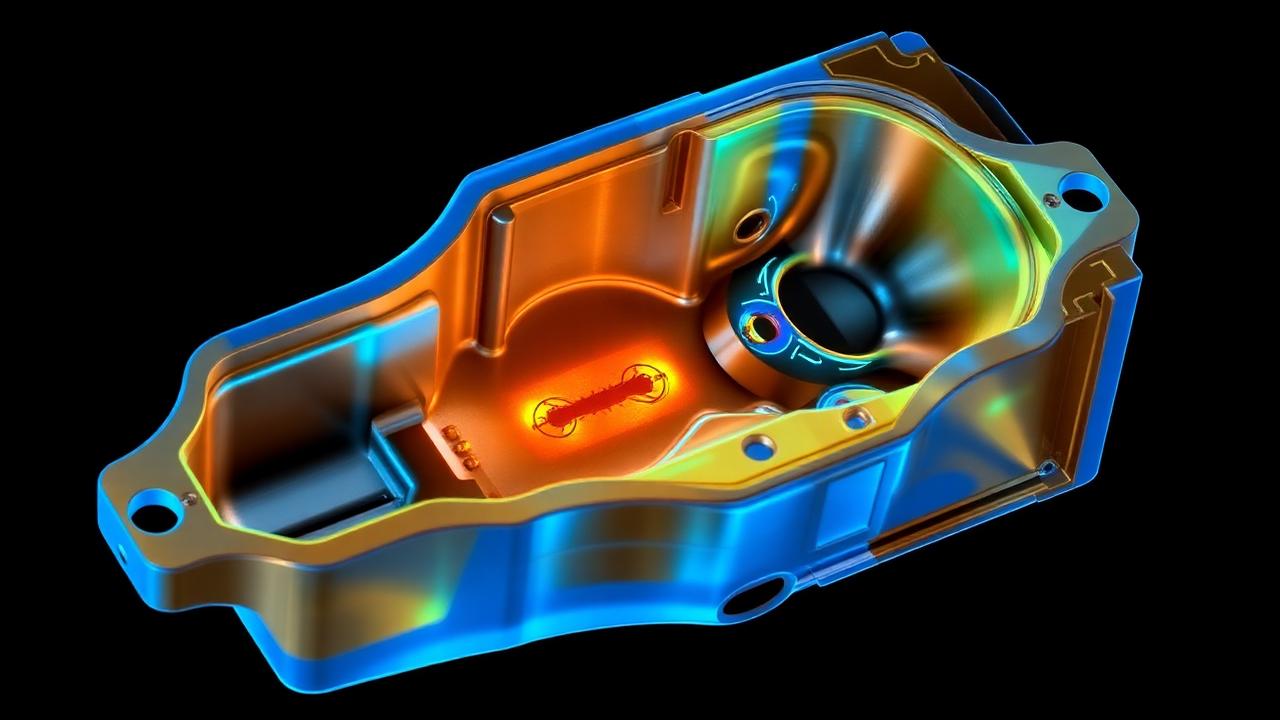
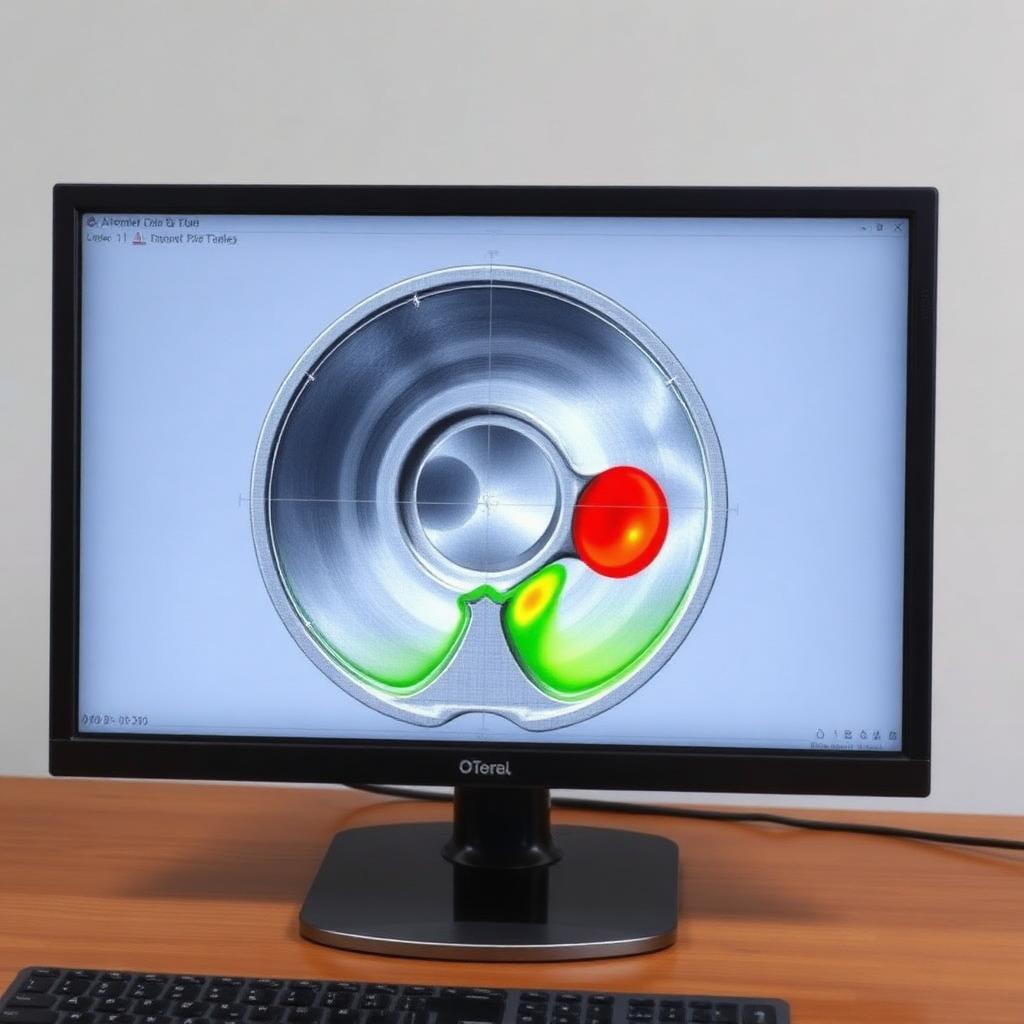
We inspect for both cosmetic defects on visible surfaces — where customer expectation is the acceptance criterion — and for functional defects that affect performance: hairline cracks in cast housings, voids in welds, contamination on sealing surfaces, or solder defects on PCB assemblies. Each defect type is logged with location, size and recommended disposition.
Typical Applications

Where this service is used

  • Pre-shipment defect inspection of finished goods
  • 100% sorting of suspect lots during quality crises
  • Incoming inspection at the China consolidation point
  • First Article and process audit defect screening
  • PCB and electronic assembly defect inspection (AOI / X-ray)
  • Casting and forging crack and inclusion detection
Inspection Equipment

Equipment in our network

Automated Optical Inspection (AOI) Systems
Industrial High-Resolution Cameras
AI-Powered Vision Inspection
2D X-Ray Inspection Systems
Industrial CT (for internal defects — see dedicated CT page)
Dye-Penetrant and Magnetic-Particle NDT
Inspection Scope

What we measure & report

  • Surface: scratches, burrs, cracks, dents, contamination, color variation, plating defects
  • Internal: porosity, shrinkage, cracks, inclusions, voids
  • PCB defects: solder shorts, opens, voiding, BGA alignment
  • Weld defects: incomplete penetration, porosity, undercut
  • Defect quantification with size, location and frequency
  • Statistical sampling per ISO 2859-1 / customer AQL plan
Industries Served

Where our customers operate

Die-cast ManufacturingElectronics & PCBAutomotiveMedical DevicesConsumer Goods
Laboratory & Field Photos

Equipment, reports and on-site work

X-ray inspection of PCB solder joints
CT cross-section reveals internal porosity
Defect verification with metrology equipment
On-site pre-shipment defect sorting
Real Project Case Studies

How we've solved real customer problems

Customer names redacted under NDA. Project descriptions reflect the engineering work actually performed.

AOI Pre-Shipment Sorting of Consumer Electronics
Consumer Electronics

AOI Pre-Shipment Sorting of Consumer Electronics

Challenge
Brand owner received complaints of cosmetic scratches on metal housings from a Shenzhen supplier.
Approach
On-site AOI station deployed with AI defect classifier trained on customer accept/reject samples; 100% sort of 80,000 units.
Outcome
Identified 2.1% defect rate, isolated bad lots, documented evidence for supplier debit. Brand reputation protected.
Automotive Electronics

X-Ray Inspection of Automotive ECU Solder Joints

Challenge
Field returns showed intermittent BGA solder failures on a critical ECU.
Approach
2D X-ray inspection of 500 production units with automated void % measurement on each BGA ball.
Outcome
Found 8% units with voiding >25% on a specific ball; reflow profile adjusted, void rate dropped below 5%.
Frequently Asked Questions

Defect Inspection — what customers ask

What sampling plan do you use?+

By default ISO 2859-1 single-sampling at AQL 2.5 for major and AQL 4.0 for minor defects. We follow your own AQL plan or 100% inspection on request.

Can you train AI defect classifiers on our samples?+

Yes — we collect customer-supplied accept and reject samples, train and validate a model, then deploy it on the inspection line. Typical training takes 1–2 weeks.

Do you offer on-site sorting at the supplier's factory?+

Yes — our engineers travel with portable AOI rigs, lighting and reference samples to sort suspect lots on-site, minimizing logistics and quarantine cost.

Ready to start?

Request a quote for defect inspection today.

Tell us about your part — we respond within one business day with scope, methodology and quotation. NDA available before disclosure.